বিশ্ব ঐতিহ্য সুন্দরবন উপকূলে জলবায়ু বিপর্যয়: বাড়ছে দুর্যোগ, বাড়ছে বাস্তুচ্যুতি
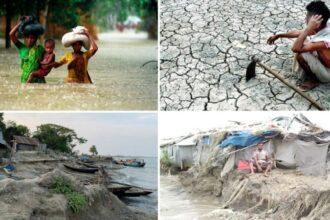
এস. এম সাইফুল ইসলাম কবির, সুন্দরবন থেকে ফিরে :দক্ষিণ-পশ্চিমাঞ্চলের বিশ্বের সর্ববৃহৎ ম্যানগ্রোভ বনাঞ্চল মৎস্যভান্ডার নামে খ্যাতবিশ্ব ঐতিহ্য সুন্দরবনের উপকূলে জলবায়ু পরিবর্তনের বিরূপ প্রভাবে বাংলাদেশে প্রাকৃতিক দুর্যোগের মাত্রা ও ঘনত্ব ক্রমেই বাড়ছে। প্রতিবছর ঘূর্ণিঝড়, জলোচ্ছ্বাস, বন্যা ও খরায় দেশের উপকূল ও নদীবিধৌত (উপকূলীয়) অঞ্চলের মানুষ হারাচ্ছে বসতভিটা ও জীবিকা। এর ফলে বাস্তুচ্যুত মানুষের সংখ্যা বাড়ছে উদ্বেগজনক হারে। একাধিক গবেষণা সংস্থার আশঙ্কা, ২০৫০ সালের মধ্যে জলবায়ু পরিবর্তনের কারণে দেশে দেড় কোটির বেশি মানুষ বাস্তুচ্যুত হতে পারে। বিশ্ব জলবায়ু সম্মেলনে বছরের পর বছর জলবায়ু পরিবর্তন নিয়ে আলোচনা হলেও ঝুঁকিপূর্ণ দেশগুলোর জন্য কার্যকর সমাধান এখনো অধরা।
সংশ্লিষ্ট সূত্র অনুযায়ী, গত ৩০ বছরে দেশে প্রাকৃতিক দুর্যোগের সংখ্যা ১০ থেকে ১৫ শতাংশ পর্যন্ত বেড়েছে। একের পর এক ঘূর্ণিঝড়, নদীভাঙন, অস্বাভাবিক বন্যা ও খরার কারণে উপকূলীয় অঞ্চলের মানুষ ভিটেমাটি ও সহায়-সম্বল হারাচ্ছে। জলবায়ু পরিবর্তনের সবচেয়ে বড় শিকার হচ্ছে উপকূলীয় নারী, শিশু ও প্রান্তিক জনগোষ্ঠী। উপকূলজুড়ে ‘জীবনের লড়াই’ দিন দিন কঠিন হয়ে উঠছে, যার নেতিবাচক প্রভাব পড়ছে জাতীয় অর্থনীতিতেও।
লবণাক্ততার আগ্রাসন, নদী-খাল ও জলাশয় দখল ও দূষণের কারণে বহু মানুষ পেশা হারাচ্ছে। নিরুপায় হয়ে তারা এক জেলা থেকে অন্য জেলা কিংবা রাজধানী ঢাকাসহ বড় শহরে আশ্রয় নিচ্ছে। তথ্য অনুযায়ী, জলবায়ু পরিবর্তনের কারণে বাস্তুচ্যুত মানুষের প্রায় ৬০ শতাংশ ঢাকায়, ২০ শতাংশ চট্টগ্রাম নগরে এবং বাকি ২০ শতাংশ অন্যান্য জেলায় অভিবাসী হয়েছে।
‘ক্লাইমেট ভালনারেবিলিটি অ্যান্ড রিস্ক অ্যাসেসমেন্ট ইন লো-লাইং কোস্টাল সিটিজ অব বাংলাদেশ ইউজিং অ্যানালিটিক হায়ারার্কিক প্রসেস’ শীর্ষক একটি সাম্প্রতিক গবেষণায় দেশের ২২টি শহরের ঝুঁকির চিত্র তুলে ধরা হয়েছে। গত ১৫ সেপ্টেম্বর জার্নাল অব ওয়াটার অ্যান্ড ক্লাইমেট চেঞ্জ-এ প্রকাশিত এই গবেষণাটি পরিচালনা করেছেন বাংলাদেশ প্রকৌশল বিশ্ববিদ্যালয় (বুয়েট)-এর একদল গবেষক। গবেষণায় বলা হয়েছে, জলবায়ু ঝুঁকির প্রকৃত প্রভাব মানুষের দৈনন্দিন জীবনে কতটা ভয়াবহ, তা শুধু সংখ্যা দিয়ে প্রকাশ করা সম্ভব নয়।
ইন্টারন্যাশনাল ডিসপ্লেসমেন্ট মনিটরিং সেন্টার-এর তথ্যানুযায়ী, জলবায়ু পরিবর্তনের কারণে বাংলাদেশে ২০৫০ সালের মধ্যে নতুন করে এক কোটি ৩৩ লাখ মানুষ বাস্তুচ্যুত হওয়ার আশঙ্কা রয়েছে। অন্যদিকে উন্নয়ন সংস্থা কারিতাস বাংলাদেশ জানিয়েছে, একই সময়ের মধ্যে দেশের প্রায় দুই কোটি ৬০ লাখ মানুষ অভ্যন্তরীণভাবে বাস্তুচ্যুত হতে পারে। সংস্থাটির প্রতিবেদনে বলা হয়েছে, ঢাকার বস্তিবাসীদের প্রায় ৭০ শতাংশই পরিবেশগত বিপর্যয়ের কারণে নিজ এলাকা ছাড়তে বাধ্য হয়েছে।
জলবায়ু সচেতনতা ও সুন্দরবন-উপকূল সুরক্ষা আন্দোলনের সমন্বয়ক সাংবাদিক শুভ্র শচীন বলেন, “জলবায়ু পরিবর্তনের কারণে সবচেয়ে বেশি ক্ষতিগ্রস্ত হচ্ছে বাংলাদেশ। উপকূলীয় অঞ্চলে ঘন ঘন দুর্যোগ, লবণাক্ততা, নদীভাঙন ও পানির সংকট মানুষের জীবনযাত্রাকে চরমভাবে প্রভাবিত করছে।” তিনি আরও বলেন, কৃষিনির্ভর এলাকার মানুষ কাজ হারিয়ে শহরমুখী হচ্ছে—কেউ একা, কেউ পরিবারসহ। এতে জলবায়ু উদ্বাস্তু মানুষের সংখ্যা বাড়ছে, যা একটি গভীর সামাজিক সংকটের দিকে ইঙ্গিত দিচ্ছে।
জলবায়ু পরিবর্তনের প্রধান কারণ হিসেবে মানবসৃষ্ট কর্মকাণ্ডকেই দায়ী করছেন বিশেষজ্ঞরা। ক্লাইমেট সেন্ট্রালের এক সাম্প্রতিক প্রতিবেদনে বলা হয়েছে, চলতি বছরের জুন থেকে আগস্ট পর্যন্ত বাংলাদেশসহ বিশ্বের কোটি কোটি মানুষ অস্বাভাবিক তাপপ্রবাহের মুখোমুখি হয়েছে। প্রতিবেদন অনুযায়ী, বাংলাদেশের মোট জনসংখ্যার ৩৪ শতাংশ ৩০ দিনেরও বেশি সময় ধরে মানবস্বাস্থ্যের জন্য ঝুঁকিপূর্ণ তীব্র তাপমাত্রার মধ্যে বসবাস করেছে।
বিশেষজ্ঞদের মতে, অপরিকল্পিত নগরায়ণ, জলাধার ভরাট, বন উজাড় ও অতিমাত্রায় কার্বন নিঃসরণ দেশের পরিবেশ ও প্রাকৃতিক ভারসাম্য নষ্ট করছে। একটি আদর্শ শহরে যেখানে কমপক্ষে ২৫ শতাংশ সবুজ এলাকা থাকার কথা, সেখানে দেশের কোনো শহরেই সেই মানদণ্ড পূরণ হচ্ছে না। জলবায়ু পরিবর্তনের প্রভাব মোকাবেলায় এখনই পরিবেশবান্ধব উন্নয়ন পরিকল্পনা গ্রহণ না করলে ভবিষ্যৎ সংকট আরও গভীর হবে—এমন সতর্কবার্তাই দিচ্ছেন পরিবেশবিদরা।জলবায়ুর পরিবর্তনের কারণে প্রতিনিয়ত উপকূলীয় অঞ্চলে ভাঙন, ঝড় ও জলোচ্ছ্বাস দেখা দিয়েছে। জলবায়ু পরিবর্তনের প্রভাবে বাংলাদেশে প্রাকৃতিক দুর্যোগ দিন দিন বাড়ছে। বিশেষ করে উপকূলীয় এলাকায় এসব প্রাকৃতিক দুর্যোগ বেশি আঘাত হানে। এগুলোর মধ্যে ঘূর্ণিঝড়, জলোচ্ছ্বাস, বন্যা, নদীভাঙন এবং ভূমিধসের মাত্রা বৃদ্ধি উল্লেখযোগ্য।
কৃষকরা জলবায়ু পরিবর্তনের সঙ্গে লড়াই করে ফসল উৎপাদন করছে। স্থানীয় কৃষক ও মৎস্যজীবীদের জীবন-জীবিকা মারাত্মক ক্ষতিগ্রস্ত হচ্ছে।
সংশ্লিষ্টরা জানিয়েছেন, বাংলাদেশের উপকূলে বসবাসকারী মানুষের জন্য সবচেয়ে বড় চ্যালেঞ্জ হলো পরিবর্তশীল উপকূলরেখা। বাংলাদেশের ভূ-প্রাকৃতিক অবস্থানের কারণে হিমালয়ের বরফগলা পানিসহ উজান এবং বৃষ্টিপাতের পানি বাংলাদেশের প্রধান প্রধান নদ-নদী গঙ্গা, ব্রহ্মপুত্র এবং মেঘনা হয়ে সমুদ্রে গিয়ে পড়ছে। প্রতি বছর গড়ে ১৫ লাখ হেক্টর চাষের জমি বন্যা ও জলাবদ্ধতার কবলে পড়ে। যার ফলে উপকূলীয় অঞ্চলের কৃষিজমির পরিমাণ দিন দিন কমে যাচ্ছে। উপরন্তু শীতকালে পানির স্রোত কম থাকায় সামুদ্রিক লোনাপানি উজানে প্রবেশ করছে। যার ফলে চাষাবাদ নিয়ে সংকট মোকাবিলা করছে উপকূলীয় অঞ্চলের মানুষ।
বাংলাদেশে ৭১১ কিলোমিটার উপকূলীয় সমুদ্র তটরেখা রয়েছে। এর মধ্যে সুন্দরবন উপকূল ঘিরে রয়েছে ১২৫ কিলোমিটার এবং কক্সবাজারের সমুদ্র উপকূলের দৈর্ঘ্য ১৫৫ কিলোমিটার। সমুদ্র উপকূল বরাবর রয়েছে গঙ্গা ও মেঘনা অববাহিকায় অবস্থিত প্রশস্ত জোয়ারভাটা সমভূমি এবং অসংখ্য নদী মোহনার ব-দ্বীপ। নদী সঙ্গমের ব-দ্বীপগুলো ও সমুদ্রে তটরেখা বরাবর ভূখণ্ড প্রতিনিয়ত পরিবর্তনশীল। এ ছাড়া জলোচ্ছ্বাস বা ঘূর্ণিঝড়ের প্রভাবে উপকূলীয় অঞ্চলের অবকাঠামো বেড়িবাঁধ ভেঙে পড়েছে। ফলে অবাধে লোনাপানি প্রবেশ করে জলাবদ্ধতাকে স্থায়ী রূপ দিচ্ছে।
বাংলাদেশের উপকূলীয় এলাকার নদী, কৃষিজমিতে লবণাক্ততা বৃদ্ধি ও সমুদ্রস্তরের উচ্চতা বৃদ্ধি, হিমালয়ের বরফ গলার কারণে অনাকাঙ্ক্ষিত বন্যা, ঘূর্ণিঝড় ইত্যাদি সবদিক দিয়েই ক্ষতিগ্রস্ত হচ্ছে। বাংলাদেশ জলবায়ু পরিবর্তনে ক্ষতিগ্রস্ত দেশের মধ্যে শীর্ষ তালিকায় রয়েছে। আর দেশের মধ্যে শীর্ষে আছে উপকূলীয় অঞ্চল। গত কয়েক বছরের ব্যবধানে নদীটি প্রায় ভরাট হয়ে যাওয়ার উপক্রম হয়েছে। এর প্রভাব পড়েছে ব্যবসা-বাণিজ্যের ওপর।
এ বিষয়ে জগন্নাথ বিশ্ববিদ্যালয়ের (জবি) ভূগোল ও পরিবেশ বিভাগের অধ্যাপক ড. মনিরুজ্জামান বাসসকে বলেন, বর্ষাকালে সামগ্রিকভাবে অতিরিক্ত বৃষ্টিপাত এবং শুষ্ক মৌসুমে অতিরিক্ত খরা দেখা যাচ্ছে। শুষ্ক মৌসুমে বৃষ্টিপাত দীর্ঘ সময় পর্যন্ত না থাকলেও অতিরিক্ত বৃষ্টির কারণে ফসলের খুব ক্ষতি হয়। সাম্প্রতিক বছরগুলোতে, ঘন ঘন বৃষ্টিপাত কৃষকদের ব্যাপক ক্ষয়ক্ষতির মুখে ফেলছে। জলবায়ু পরিবর্তনের কারণে কৃষকরা শুধু ফসলের ধরন পরিবর্তন করতে বাধ্য হয়নি বরং ঘূর্ণিঝড়, লবণাক্ততা বৃদ্ধি এবং জলোচ্ছ্বাসের কারণে কৃষি উৎপাদন ব্যাহত হচ্ছে।
আবহাওয়াবিদরা বাসসকে জানিয়েছেন, জলবায়ুর পরিবর্তনের প্রভাবে প্রাকৃতিক পরিবেশনির্ভর উপজীবিকারা তাদের জীবিকা হারিয়ে ঝুঁকিতে আছে। মাছের উৎপাদন কমে যাওয়ায় স্বাদু পানির জেলে, সমুদ্রগামী জেলে এবং মোহনাগামী জেলে তাদের জীবিকার উৎস হারাচ্ছে।
এ বিষয়ে জগন্নাথ বিশ্ববিদ্যালয়ের (জবি) ভূগোল ও পরিবেশ বিভাগের চেয়ারম্যান অধ্যাপক ড. সৈয়দা ইসরাত নাজিয়া বাসসকে বলেন, জলবায়ু পরিবর্তনের প্রভাবে বাংলাদেশে নানা রকম প্রাকৃতিক দুর্যোগ বেড়েছে। আগে ১০ কিংবা ১৫ বছর পরপর বড় ধরনের কোনো হলেও বর্তমানে জলবায়ু পরিবর্তনের কারণে তা প্রত্যেক বছরে হানা দিচ্ছে। প্রাকৃতিক দুর্যোগ বা ঘূর্ণিঝড় মোকাবিলার জন্য উপকূলবাসীর প্রস্তুত থাকতে হয়। সবকিছু মিলে জলবায়ুজনিত বিপর্যয় এবং নদীভাঙন-ভরাটসহ উপকূলীয় অঞ্চলে ভূমির ব্যাপক পরিবর্তনের ফলে উপকূলের বিশাল এক জনগোষ্ঠীর জীবিকা দুর্ভোগের মুখে পড়ছে।# ## (ছবি সংযুক্ত) এস. এম. সাইফুল ইসলাম কবির বাগেরহাট জেলা প্রতিনিধি 📞 ০১৯১১-২১১৯৬৫ / ০১৭১১-৩৭৭৪৫০ 🗓️ তারিখ : ১৬ ফেব্রুয়ারি ২০২৬———————————————————————————————————————————————
Climate Catastrophe on the Coast of the World Heritage Sundarbans: Disasters and Displacement on the Rise
S.M. Saiful Islam Kabir, Sundarbans:
On the coast of the world’s largest mangrove forest, the UNESCO World Heritage Site Sundarbans, located in the southwestern region of Bangladesh and renowned as a rich fishery resource, the adverse impacts of climate change are intensifying natural disasters across the country.
Every year, cyclones, storm surges, floods, and droughts are causing people in coastal and riverine areas to lose their homes and livelihoods. As a result, the number of displaced people is rising at an alarming rate. Several research organizations fear that by 2050, more than 15 million people in Bangladesh could be displaced due to climate change. Despite years of discussions at global climate conferences, effective solutions for vulnerable countries remain elusive.
According to relevant sources, the number of natural disasters in Bangladesh has increased by 10 to 15 percent over the past 30 years. Repeated cyclones, river erosion, abnormal floods, and droughts are stripping coastal communities of their homes and assets. Women, children, and marginalized groups in coastal areas are the worst victims of climate change. The daily “struggle for survival” is becoming increasingly difficult, negatively impacting the national economy as well.
The intrusion of salinity, encroachment and pollution of rivers, canals, and water bodies have forced many people to lose their professions. With no alternatives, they are migrating from one district to another, or to major cities including the capital Dhaka and the port city of Chittagong. Data suggest that about 60 percent of climate-displaced people have moved to Dhaka, 20 percent to Chittagong, and the remaining 20 percent to other districts.
A recent study titled “Climate Vulnerability and Risk Assessment in Low-Lying Coastal Cities of Bangladesh Using Analytic Hierarchy Process” highlighted the risk profile of 22 cities in the country. The research, conducted by a team from Bangladesh University of Engineering and Technology (BUET), was published on September 15 in the Journal of Water and Climate Change. The study states that the real impact of climate risk on people’s daily lives cannot be fully expressed through numbers alone.
According to the International Displacement Monitoring Centre (IDMC), climate change may newly displace 13.3 million people in Bangladesh by 2050. Meanwhile, development organization Caritas Bangladesh estimates that around 26 million people could become internally displaced within the same timeframe. Their report notes that nearly 70 percent of slum dwellers in Dhaka were forced to leave their native areas due to environmental disasters.
Climate awareness and Sundarbans coastal protection activist journalist Shuvro Shachin said, “Bangladesh is among the worst affected by climate change. Frequent disasters, salinity intrusion, river erosion, and water scarcity in coastal areas are severely disrupting people’s lives.” He added that people from agriculture-dependent regions are moving toward cities after losing their jobs—some alone, others with families—indicating a deepening social crisis.
Experts attribute climate change primarily to human activities. A recent report by Climate Central stated that from June to August this year, millions of people worldwide, including in Bangladesh, faced extreme heatwaves. According to the report, 34 percent of Bangladesh’s population experienced health-threatening high temperatures for more than 30 days.
Experts also warn that unplanned urbanization, filling of water bodies, deforestation, and excessive carbon emissions are disrupting environmental and ecological balance. While an ideal city should have at least 25 percent green space, no city in Bangladesh currently meets that standard. Environmentalists caution that without immediate adoption of eco-friendly development plans, the crisis will deepen further.
Climate change is continuously triggering erosion, storms, and storm surges in coastal areas. Natural disasters are increasing in frequency and intensity, particularly in coastal regions. Cyclones, tidal surges, floods, river erosion, and landslides are becoming more severe.
Farmers are struggling to sustain crop production amid changing climate conditions. Local farmers and fishermen are facing severe livelihood disruptions.
Experts note that the most significant challenge for people living along Bangladesh’s coast is the constantly changing coastline. Due to the country’s geographical location, meltwater from the Himalayas and upstream rainfall flow through major rivers—the Ganges, Brahmaputra, and Meghna—before reaching the sea. On average, 1.5 million hectares of agricultural land are affected by floods and waterlogging each year, reducing cultivable land in coastal areas. During winter, reduced freshwater flow allows saline seawater to intrude inland, creating further agricultural crises.
Bangladesh has a 711-kilometer-long coastline. Of this, about 125 kilometers surround the Sundarbans, while the coastline of Cox’s Bazar stretches 155 kilometers. The coastal belt consists of wide tidal plains in the Ganges-Meghna basin and numerous river estuary deltas. These delta regions and coastlines are constantly shifting. Storm surges and cyclones have damaged embankments, allowing saline water to enter and create prolonged waterlogging.
Coastal rivers and farmlands are suffering from increased salinity and rising sea levels. Melting Himalayan ice is contributing to unexpected floods and intensified cyclones. Bangladesh ranks among the countries most affected by climate change, with coastal regions at the top of the list domestically. In recent years, river siltation has nearly choked some waterways, affecting trade and commerce.
Professor Dr. Moniruzzaman of the Department of Geography and Environment at Jagannath University told BSS that excessive rainfall during monsoons and prolonged droughts during dry seasons are severely impacting agriculture. Frequent heavy rainfall in recent years has caused extensive crop losses. Climate change has forced farmers not only to alter crop patterns but also to confront cyclones, rising salinity, and storm surges that disrupt agricultural production.
Meteorologists also informed BSS that climate change is putting environmentally dependent livelihoods at risk. Declining fish production is depriving freshwater, estuarine, and deep-sea fishermen of their primary income sources.
Professor Dr. Syeda Israt Nazia, Chairperson of the same department at Jagannath University, said that major natural disasters that once occurred every 10 to 15 years are now striking almost annually due to climate change. Coastal residents must constantly remain prepared for cyclones and other disasters. Combined with river erosion, siltation, and large-scale landform changes, climate-induced catastrophes are pushing vast coastal populations into severe livelihood crises.